HERD | Marketing for businesses that create, serve and nurture communities

The thing about Marketing…
10 key questions for small businesses that are true in any industry
- 08/01/2026
- Vicky Gooden
- Category: Blog
Firstly, guess what? None of this article has been written or run through AI. I know, right?!
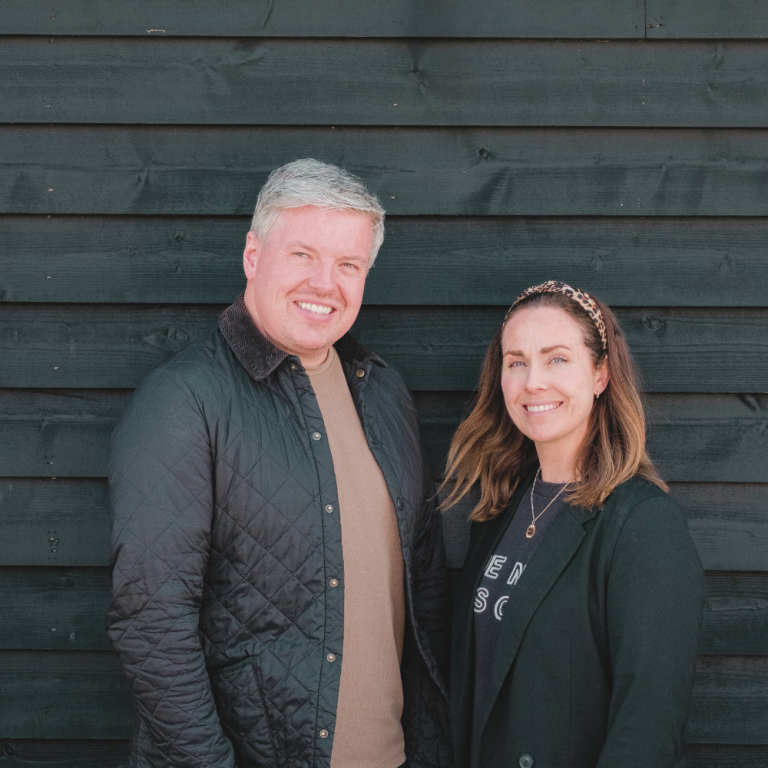
Rikki and I have a combined experience in marketing spanning 40 years between us, so one would hope we could hash together a short article on what to consider as a small business heading into the new year.
This article is not about what fads to try (although by all means try them because it’s crucial to test things out!). Instead, this is largely about the fundamentals any business needs to consider for establishing strong roots to your marketing approach from here on in.
We conducted a survey recently in collaboration with one of our clients, sent to several small retail businesses, and one of the questions asked was if they have a 2026 marketing strategy in place. The majority said no. A fair few also said they didn’t have a website and that they just do a few organic social posts a month. This tells us in a very short sample that there are likely a vast number of small businesses that still have brick and mortar shops or locations, yet don’t actively market their business or understand their brand footprint.
Marketing is NOT FLUFFY STUFF. It takes everything in our power not to implode on the spot when people refer to marketing like this. It sadly shows a lack of understanding of its importance and role in business success. Yes, marketing is the language you use and the identity of your brand, but critically it’s the relationships you have with your customers, the analysis of hard data that backs up what business decisions you need to make to succeed. And so much more. Let’s get into it.
Do you run a business? Yes? OK, fab. Nice to meet you. Let’s assume things are going OK, but you have a sense that business could be better. There are rumblings that a similar business is moving to your area. Your customers aren’t visiting as regularly. That once popular product is still on the shelf. Your website traffic is at a standstill.
Something’s wrong. But what? We have some questions for you…
- What’s your problem? Sounds a bit harsh. But seriously, what is it? Declining footfall? Team issues? Specific skill set gaps? Lack of time to drill into the strategy (or no strategy at all)? Can’t focus on growth for your business because you’re too in the weeds of the day-to-day? Get identifying! Understanding your problem is the first step in fixing it. Marketing your business without identifying and fixing the fundamentals can be as detrimental as conducting no marketing at all.
- What’s your specific goal? Not ‘more customers’. That’s lazy. How about ‘to increase our database by 1,000 sign-ups by Q4’ or ‘to increase online sales by 10% by the end of the calendar year’. It’s like the age-old adage; how do you eat an elephant? One bite at a time. You’re never going to shift the needle by focusing on everything at once. Instead, you’re going to become stressed by the overwhelming task in front of you. Identify, prioritise, plan and execute. By drilling down, this is you setting S.M.A.R.T (Google it) objectives. But to be truly smart, you need to make sure you have the infrastructure and processes in place to achieve them. On that note…
- Are you truly set up to win? Maybe you have a physical shop. Good suppliers. Great intentions and knowledge about your products. Looks lovely in-store. You really care. But how do you make OTHERS CARE? Are you tailoring your messaging to your audience? Can they easily discover you across all media? Google, social, web, in the local community? What are your current brand touchpoints and which ones are missing? Do you know what a brand touchpoint is? How easy is it for people to interact with your brand, to complete a sale, to book a table, to sign up?
- Why do people NEED you? This is you determining a need-state that you can satisfy. This sort of confirms why you should exist in the first place. What do you offer that can make their lives better, easier, more joyful? As wild as it may seem, people aren’t sitting at home waiting for news from your business. And even when you have news, they may not be interested in what you have to say. You can only give customers what they want if you first understand what they need.
- Who do you want through the literal or metaphoric door? This is you taking a step toward defining your target audience.
- What is so special about you that sets you apart from the competition? This is you identifying your USP – your Unique Selling Point.
- What data about your business do you have? Anecdotal ‘data’ is just not enough… “we don’t seem as busy as this time last year’” doesn’t cut it. It’s not specific. It gives you no course of action. What trends can you spot from your annual sales data? Are there certain days of the week that do well/struggle? How are you collecting, measuring and actioning customer data and feedback?
- What are you going to do across a year (or ideally 2-5!) to keep your business growing and to entice people to check you out? This is you making a start on a strategy. But don’t be fooled! A series of actions is not a strategy. At the heart of a strategy is data and analysis to back up why you’re going to make the decisions you are. What’s your overall vision? What are your goals this year? Tactics are fed by business goals, vision and strategic decisions.
- What marketing have you done before and how did it go? Revisit old plans and results to remind yourself how and why you tried something in the past. Trying something once and not getting the results you wanted doesn’t mean it’s not the right route. Marketing is all about learning, adapting and optimising. ALL. THE. TIME. Don’t be scared to try again and NEVER be scared to try something new.
- Do you have the time that marketing demands? A one-year marketing strategy is not going to solve your problems. Marketing is an ongoing project that a small business must invest in – either by employing a marketing function or skilling up in-house. But having a clearer vision for the immediate year ahead is a great start.
Bonus question: 11. After reading the above, if someone now asked you what your marketing strategy is for 2026, what would you say? (P.S we’re here to help you come up with a good answer).